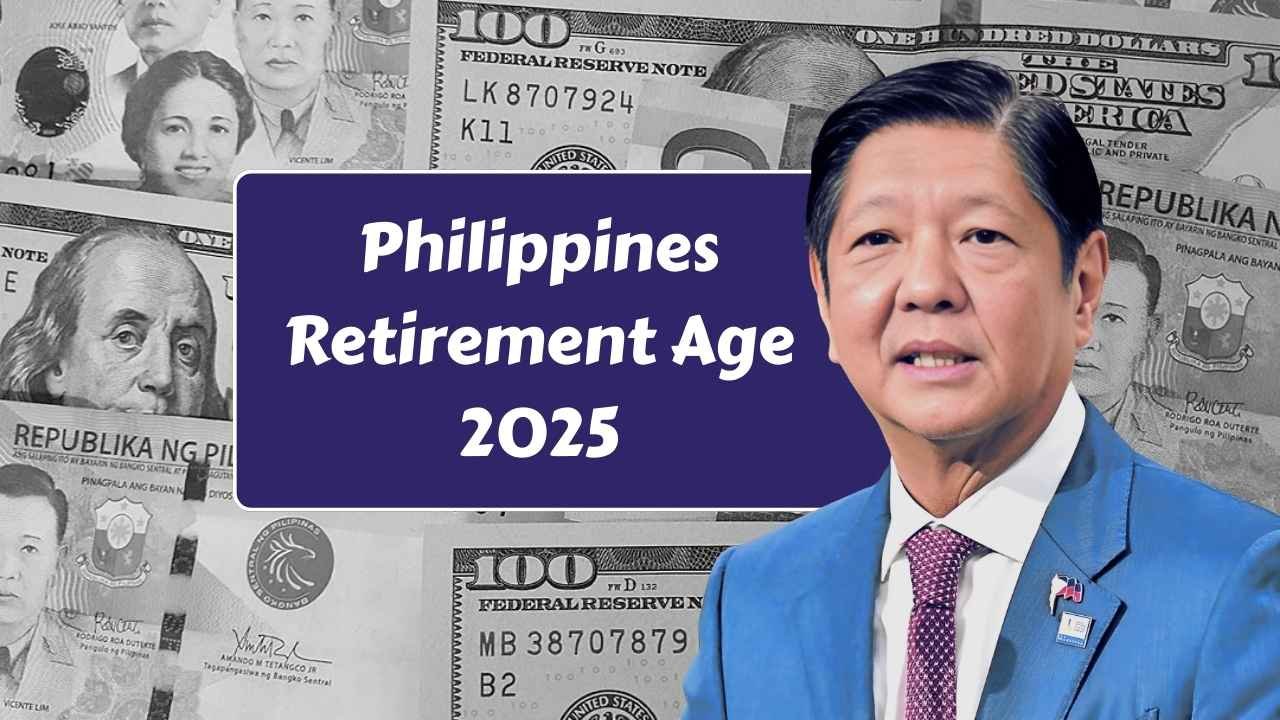

Retirement is one of the most important milestones in a person’s life. For workers in the Philippines, the question of when and how they can retire is tied closely to government systems such as the Social Security System (SSS) for private employees and the Government Service Insurance System (GSIS) for government workers. With 2025 bringing new pension reforms and adjustments, it is worth exploring the rules on retirement age, eligibility conditions, and the latest pension updates that will directly affect millions of Filipinos.
Retirement Age in the Philippines
In the Philippines, the retirement age is not the same for everyone. It depends on whether you are a private sector worker, a government employee, or part of the uniformed services.
For private sector employees under the SSS, retirement is possible at age 60 provided that the member has made at least 120 monthly contributions. This is often called optional retirement. Mandatory retirement happens at 65 years old, even if the worker is still employed.
For government workers under the GSIS, the compulsory retirement age is 65. Optional retirement is allowed at age 60 if the employee has completed at least 15 years of government service.
Uniformed personnel such as police officers, firefighters, and military members have their own rules. Many of them face earlier mandatory retirement ages because of the physical demands of their profession. Recent reforms have set the compulsory retirement age for Armed Forces of the Philippines personnel at 57, with some flexibility depending on rank and years of service.
Eligibility Requirements for Retirement
Age is only one factor in determining whether a worker qualifies for retirement benefits. Contributions and years of service also play a major role.
For SSS members, at least 120 monthly contributions are required before the semester of retirement to qualify for a lifetime monthly pension. Those who fail to meet this minimum requirement may still claim a lump-sum amount, which consists of their total contributions plus any accrued interest.
For GSIS members, at least 15 years of service is necessary to qualify for pension. Government workers who retire without meeting the required years of service may receive gratuity or separation pay, depending on their circumstances.
Workers must also ensure that they are separated from employment or self-employment at the time of filing for retirement benefits, unless they are availing of the technical retirement at age 65. Overseas Filipino Workers who are voluntary members of SSS also need to stop paying self-employed contributions before filing for retirement.
Pension Updates in 2025
A major highlight in 2025 is the implementation of a historic pension reform program in the SSS. Starting in September 2025, all SSS retirement and disability pensioners will receive a ten percent increase in their monthly pension. This will be followed by additional increases in 2026 and 2027, with the total adjustment reaching around thirty-three percent over three years.
For survivor or death pensioners, the increase is slightly smaller but still significant. They will receive around five percent increases each year until 2027, adding up to about sixteen percent in total. These adjustments are designed to help pensioners cope with the rising cost of living and inflation.
GSIS, on the other hand, continues to implement its own pension rules without a uniform increase like the SSS. However, GSIS retirees benefit from the fact that their pension is calculated based on the highest salary received and years of service, which often results in a larger monthly payout compared to SSS.
Both SSS and GSIS have also been enhancing digital platforms to make filing, tracking, and receiving pensions easier. Pensioners are encouraged to keep their records updated to avoid delays in processing.
Preparing for Retirement
Retirement should not come as a surprise. Workers are advised to prepare well ahead of time to avoid complications and ensure they receive the benefits they are entitled to.

First, check contribution records regularly. Missing or uncredited contributions can reduce pension amounts or disqualify a worker from receiving a monthly pension. Both SSS and GSIS provide online portals where members can review their contributions.
Second, ensure that all personal records such as identification numbers, bank accounts, and employment history are accurate. Discrepancies in records are one of the main reasons for pension processing delays.
Third, decide strategically when to retire. Some workers choose to retire as soon as they qualify, while others prefer to continue working to increase their pension. The decision often depends on financial needs, health conditions, and personal goals.
Challenges Faced by Retirees
Even with pension reforms, many Filipino retirees face challenges. Inflation continues to reduce the purchasing power of pensions. Health care costs remain a concern, especially for those who rely heavily on their pensions as their main source of income.
In addition, some workers, especially those in informal sectors, struggle to meet contribution requirements. Without consistent contributions, they may end up receiving only a lump-sum benefit instead of a lifetime pension. This highlights the importance of financial literacy and long-term planning.
Government Efforts and Reforms
The Philippine government recognizes the need to strengthen retirement and pension systems. The multi-year increase in SSS pensions is part of a broader effort to make the system more responsive to the needs of retirees.
There are also ongoing discussions in Congress about further reforms, such as harmonizing the retirement systems of different government agencies, improving the portability of benefits for workers who move between private and public sectors, and adjusting contribution rates to ensure sustainability of the funds.

The goal is to strike a balance between providing adequate benefits to retirees and maintaining the financial health of pension institutions.
Conclusion
Retirement is a stage of life that requires careful planning and understanding of rules and benefits. In 2025, the Philippines continues to apply the retirement ages of 60 for optional retirement and 65 for mandatory retirement in most cases, with special provisions for government employees and uniformed personnel.
The recent pension reforms, especially in SSS, are a welcome development for millions of retirees, promising higher monthly benefits over the next three years. However, challenges such as inflation, incomplete contributions, and record inconsistencies remain issues that workers and pensioners must actively address.
As retirement rules evolve, it is important for every Filipino worker to stay informed, keep records updated, and prepare financially to enjoy a more secure and comfortable life after years of service.