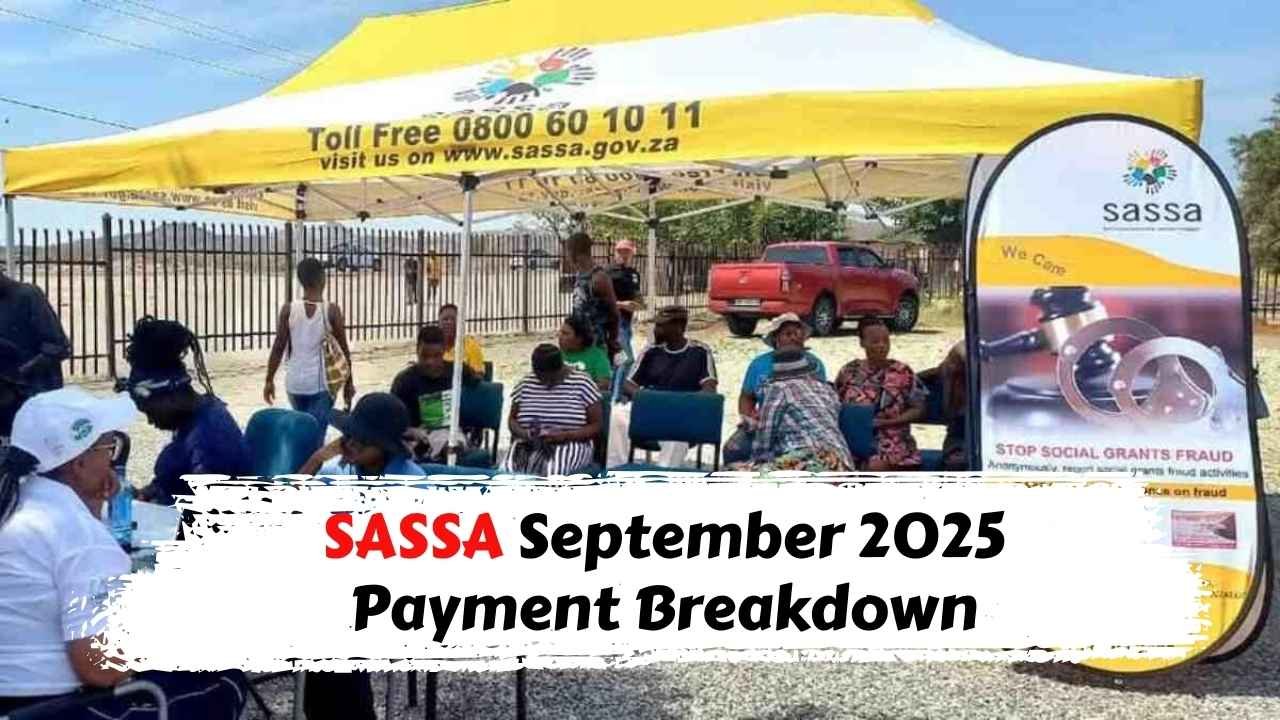

The South African Social Security Agency (SASSA) plays an important role in helping vulnerable people across the country. Every month, millions of South Africans rely on different types of social grants to meet their daily needs. In September 2025, beneficiaries can expect new confirmed amounts: R2,315, R560, or R1,250 depending on the grant type.
Understanding who qualifies for each of these amounts can be confusing, especially since the requirements differ. This guide explains the breakdown clearly, helping you see whether you or your family members qualify.
Why Do These Grants Matter?
For many South Africans, SASSA grants are not just financial support but a lifeline. They help cover food, transport, school fees, healthcare, and other essentials. In a country where unemployment and poverty remain high, grants provide stability and protect the most vulnerable groups, including the elderly, children, people with disabilities, and foster families.
The increases in 2025 are designed to cushion households against inflation and rising living costs. Even though the amounts may seem modest, they make a real difference in daily survival.
The R2,315 Grant: Who Can Receive It?
The highest amount available in September 2025 is R2,315. This figure applies to four main categories of grants: the Old Age Grant, the Disability Grant, the Care Dependency Grant, and the War Veterans Grant.
Old Age Grant
This is for senior citizens aged 60 and above. Applicants must be South African citizens, permanent residents, or recognised refugees living in the country. There is also a means test, which checks income and assets. If your personal or household income exceeds the set threshold, you may not qualify. For those who do, R2,315 is paid monthly as recognition of years of contribution and as support in retirement.
Disability Grant
For individuals who are permanently or temporarily disabled, this grant provides the same R2,315 per month. Eligibility is based on medical assessments and the means test. The disability must prevent the person from working for a sustained period. This grant ensures that those living with disabilities are not left without support.

Care Dependency Grant
This grant is for caregivers of children who have severe or permanent disabilities. It helps families manage the high costs of care, treatment, and supervision required for such children. The caregiver must apply, and both the child and caregiver must meet residency and income requirements.
War Veterans Grant
Although the number of beneficiaries is much smaller today, this grant honours those who served in military campaigns. Eligible veterans, as well as their dependents, can receive the same R2,315 each month, provided they meet the residency and income conditions.
The R560 Grant: Support for Children
The Child Support Grant has been increased to R560 per month in September 2025. It is one of the most widely distributed grants in South Africa because it applies to millions of children.
Who Can Apply?
The application is made by the child’s primary caregiver. This could be a parent, grandparent, or even another relative who is responsible for the child’s daily care. The applicant must be a South African citizen, permanent resident, or refugee living in the country. The child must also reside in South Africa.
Conditions of the Grant
There is a means test, so higher-income households do not qualify. The grant is intended specifically for low-income families who need help meeting the child’s basic needs. The payment is made per child, meaning if you are the caregiver for three children, you would receive R560 for each one.
Why This Grant Matters
The Child Support Grant is considered one of the most effective poverty-reduction tools in the country. It ensures children have access to food, schooling, and clothing, while reducing the financial pressure on caregivers.
The R1,250 Grant: Foster Child Grant
Another important grant for families is the Foster Child Grant, which has risen to R1,250 per child per month in September 2025.

Eligibility Requirements
To qualify, the child must be legally placed in your care through a court order. This makes the grant different from the Child Support Grant, as it focuses specifically on children who cannot live with their biological parents due to neglect, abuse, or other serious reasons.
The foster parent must be a citizen, permanent resident, or refugee living in South Africa, and the child must also live in the country. The child must be under 18, although in some cases the grant can be extended until the child finishes school, usually up to age 21.
No Means Test
Unlike other grants, the Foster Child Grant does not require a means test. That means your income or assets will not disqualify you. The main requirement is the legal foster care order from the courts.
Importance of the Grant
Raising a foster child comes with financial responsibilities. This grant provides consistent support to help foster parents give children a safe, nurturing, and stable home.
Key Dates for September 2025 Payments
SASSA follows a staggered payment system to avoid overcrowding at pay points and ATMs. For September 2025:
- Old Age Grants, including the R2,315 amount, will be paid from 2 September.
- Disability Grants, also R2,315, will be paid from 3 September.
- Child Support, Foster Child, and Care Dependency Grants will be paid from 4 September onwards.
Payments can be collected through bank accounts, retail stores, post office branches, or SASSA cards. Beneficiaries are encouraged to withdraw funds on later dates to avoid queues.
Why Understanding Grant Differences Matters
Each of these amounts R2,315, R560, and R1,250 targets a specific group in society. Knowing the difference helps families plan better and ensures that people who qualify do not miss out on vital assistance.

For the elderly, disabled, and veterans, the R2,315 grant offers dignity and recognition. For children in poor households, the R560 Child Support Grant ensures their basic needs are met. For foster families, the R1,250 grant supports children who most need stability and care.
Final Thoughts
SASSA grants remain one of the strongest tools to reduce poverty and inequality in South Africa. With the September 2025 payment breakdown, it is clear that government policy continues to focus on supporting the most vulnerable citizens.
Whether you qualify for R2,315, R560, or R1,250, the system is designed to provide essential relief. As living costs continue to rise, these grants make it possible for millions of South Africans to live with dignity, security, and hope for the future.